
Start with one product. Scale what works.
We fit O-KEY to your product, production environment and existing systems with the least unnecessary change, from a focused pilot to repeatable deployment.
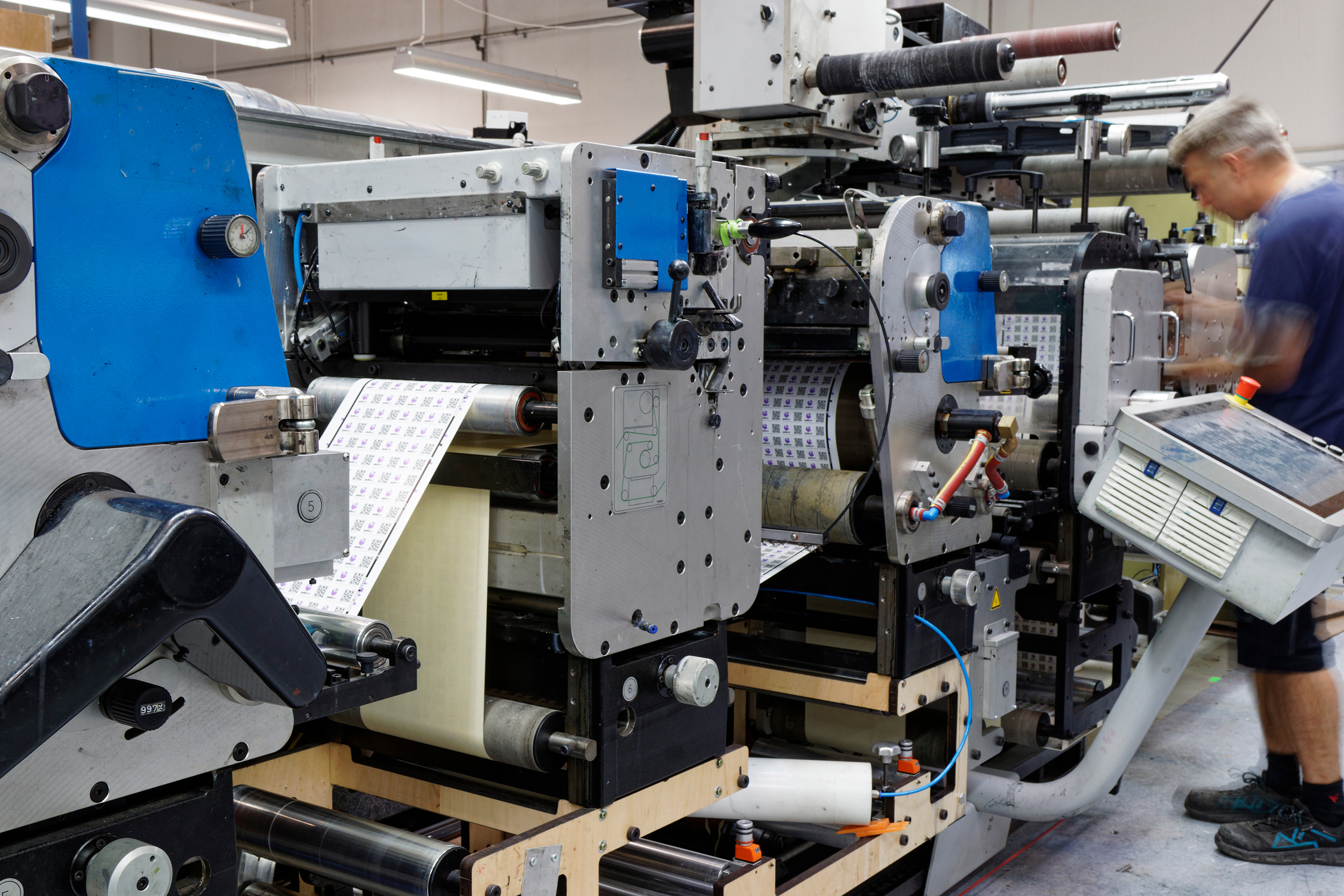
Label or seal
Introduce O-KEY with minimal production change using a ready-to-apply or integrated construction.
Surface application
Apply O-KEY directly to a compatible product or packaging surface.
Embedded implementation
Integrate O-KEY into the product or component for a discreet, durable identity.
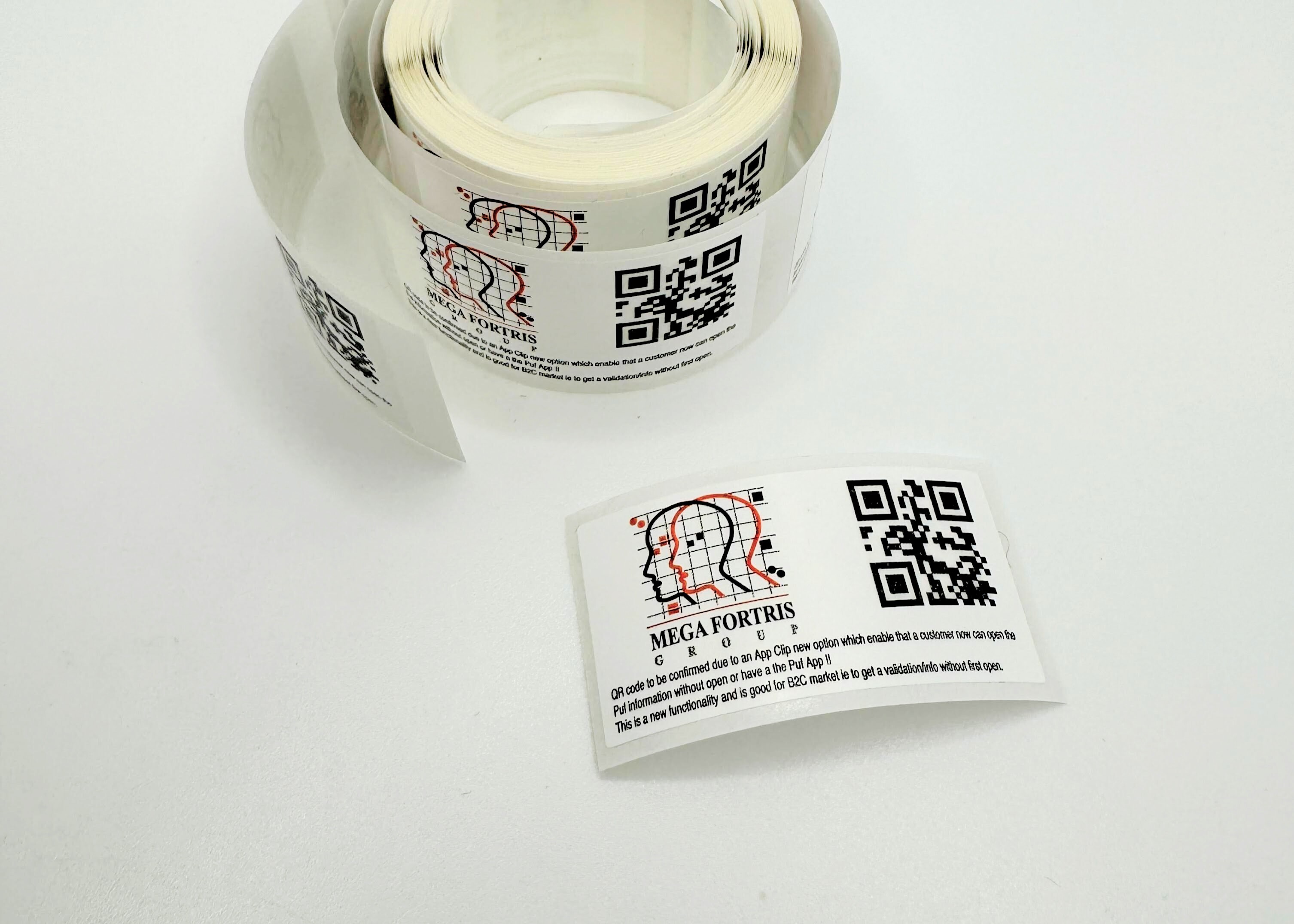

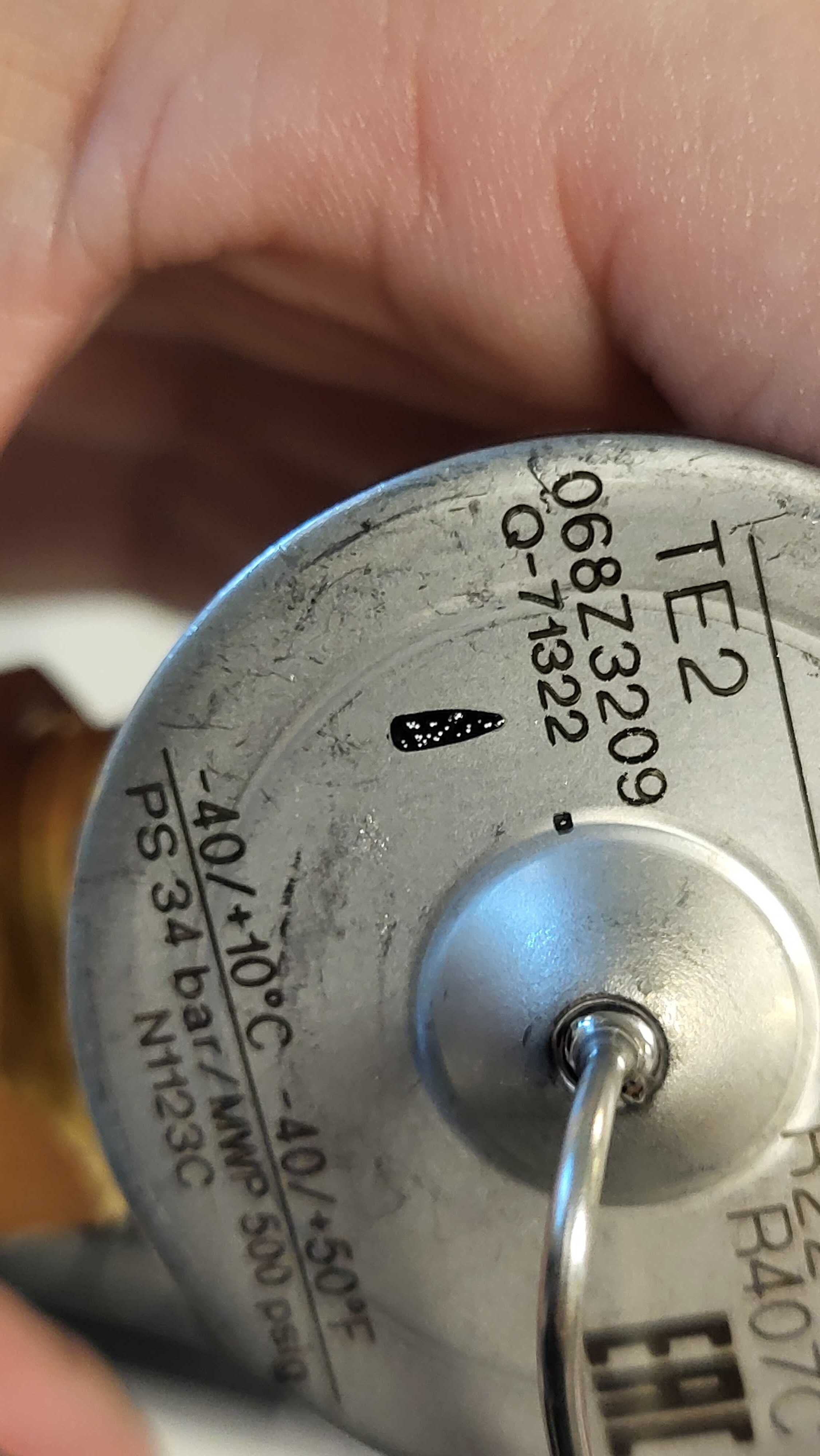


Products and factories differ. We choose the format and workflow that deliver the required security, durability and usability with the least unnecessary change.
Define the product, risk, users, data and success criteria.

Validate the physical format, application, registration, authentication and operating conditions on representative products.
Turn the validated setup into a repeatable production, data and systems workflow.
Extend the proven model across volumes, SKUs, lines, suppliers and markets.
Each applied O-KEY is registered. We define how capture, O-KEY Studio and existing systems fit into a repeatable production workflow.
Strengthening control over unauthorized resale at Royal Copenhagen.

Royal Copenhagen used O-KEY to improve supply chain visibility and support action against unauthorized resale.


Built for security, not just tracking

What successful implementation needs
Unit-level identity
Unit-level assurance starts with unit-level identity. Each item that must be authenticated or managed individually receives its own O-KEY and registration. We make that step practical and repeatable.
Product and production
Choose the format, position, application and registration point. Product or packaging, manufacturing and quality usually lead. We help find the lowest-change route.
Data and systems
Decide what belongs in O-KEY and what remains in ERP, PLM or other systems of record. IT or data owners usually join here, and integration can start simple.
Operating model
Define who can manage products, authenticate, view information and respond to exceptions. The relevant quality, safety, service or brand-protection team usually owns these rules.
Suppliers and partners
If application or registration happens outside your site, involve the relevant supplier or contract manufacturer. They can participate in the workflow without needing to own the whole system.
Pilot to scale
You do not need the final enterprise architecture on day one. Prove one representative product and workflow first, then standardize what works across sites, suppliers and markets.
Start with the product you want to protect.


All content is the property of PUFIN—ID. No parts of this site including text and images, may be reproduced without prior written consent of PUFIN—ID.

